
Parcel Shipping Costs Near Record High in 2026
2026 is on track to be the most expensive year ever to ship a parcel. Here is why the bill keeps growing — and what it means for the package you are waiting on.
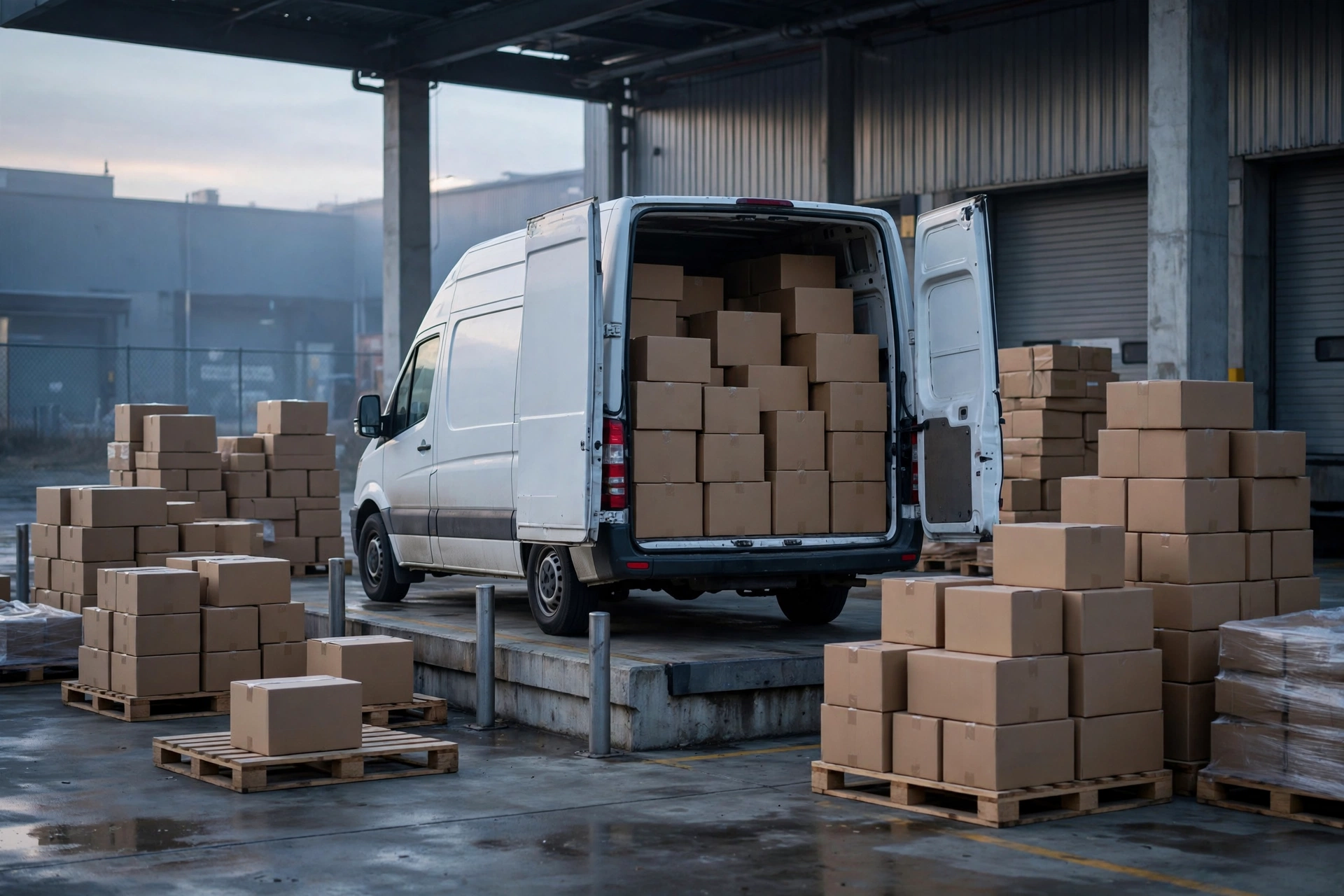
If your recent online orders felt more expensive — or arrived on a slower, cheaper shipping option than you expected — there is a reason. Parcel shipping costs in 2026 are approaching record highs, and the extra charges are stacking up faster than the base rates themselves.
A market snapshot released October 14, 2026, by investment bank TD Cowen and AFS Logistics found that sharp increases in rates and extra fees have continued into the fourth quarter, putting 2026 on track to be the most expensive year on record for parcel shipping. The report’s message is blunt: carriers are no longer treating surcharges as a temporary pass-through for unexpected costs. Surcharges have become a profit center of their own.
This matters to anyone waiting on a parcel, not just to businesses that pay the freight bills. When shipping gets expensive, retailers change how they ship: they pick slower services, switch to cheaper carriers, or tighten free-shipping thresholds. All of that shows up in your tracking.
—
Why Parcel Shipping Costs Keep Climbing
The single biggest driver this year is the fuel surcharge — and the story behind it is not just about the price at the pump.
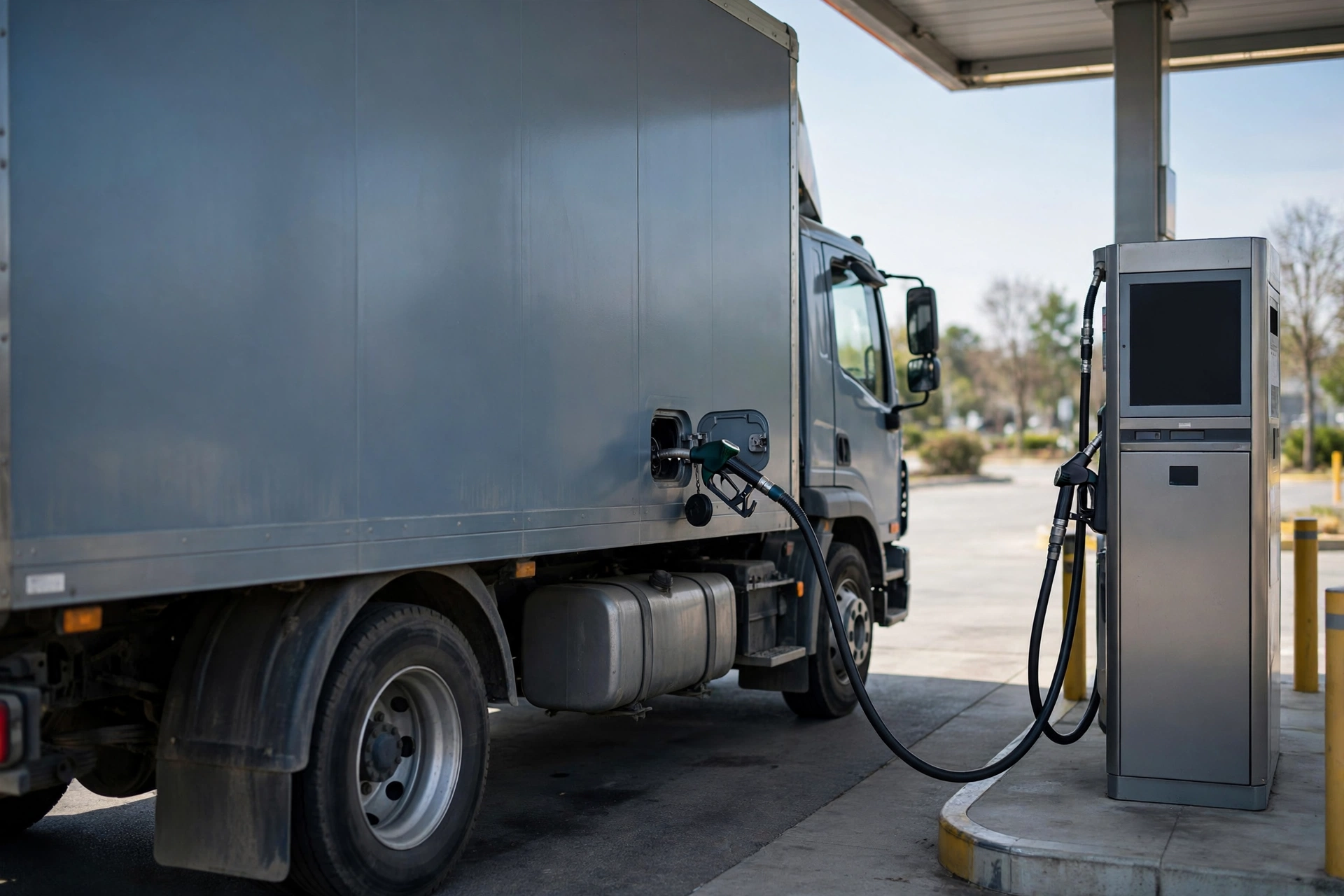
Diesel prices have risen sharply since the start of the Iran war in February, which slowed crude oil and refined fuel traffic through the Strait of Hormuz. That is real. But according to the TD Cowen/AFS Freight Index, repeated carrier changes to the formula that sets fuel surcharges have had more to do with elevated rates than the actual rise in fuel prices.
The numbers tell the story. In the first quarter of 2021, the fuel surcharge was 7.75% of the transportation rate, when average diesel cost $2.91 per gallon. By September 2026, the fuel surcharge had reached 30% of the rate, with diesel peaking at $6.53 per gallon. Nearly three quarters of that increase came from carrier adjustments to the fuel surcharge tables — not from the price of fuel itself.
—
Peak Season Surcharges Are Stacking Up Too
Fuel is only one layer. The holiday peak season adds another stack of charges on top — and the 2026 peak schedule is already in motion.
UPS began its first peak demand surcharges on September 27, 2026, and FedEx followed on September 28. The U.S. Postal Service applied a temporary average rate increase of about 6% to several package services starting October 4. The bigger per-package demand surcharges arrive next: UPS Ground Residential and Ground Saver surcharges from October 25, and FedEx Ground and Home Delivery surcharges from October 26. The highest rates hit in the final stretch before Christmas — November 22 to December 26 at UPS, and November 23 to December 27 at FedEx — before winding down in mid-January 2027.
Oversized and heavy parcels get hit hardest. Additional-handling surcharges reach $11.85 per package at FedEx and $11.90 at UPS during the peak weeks. A large, awkward box can therefore cost far more to ship than its base rate suggests.
|
Carrier |
Peak surcharges start |
Highest rates |
Surcharges end |
|---|---|---|---|
|
UPS |
Sept. 27, 2026 (handling/size); Oct. 25 (Ground Residential) |
Nov. 22 – Dec. 26, 2026 |
Jan. 16, 2027 |
|
FedEx |
Sept. 28, 2026 (handling/size); Oct. 26 (Ground/Home Delivery) |
Nov. 23 – Dec. 27, 2026 |
Jan. 17, 2027 |
|
USPS |
Oct. 4, 2026 (temporary ~6% package increase) |
Holiday season |
Mid-Jan. 2027 |
—
What This Means for Your Deliveries
Higher shipping costs do not stay on a spreadsheet. They change what happens to your parcel in practical ways:
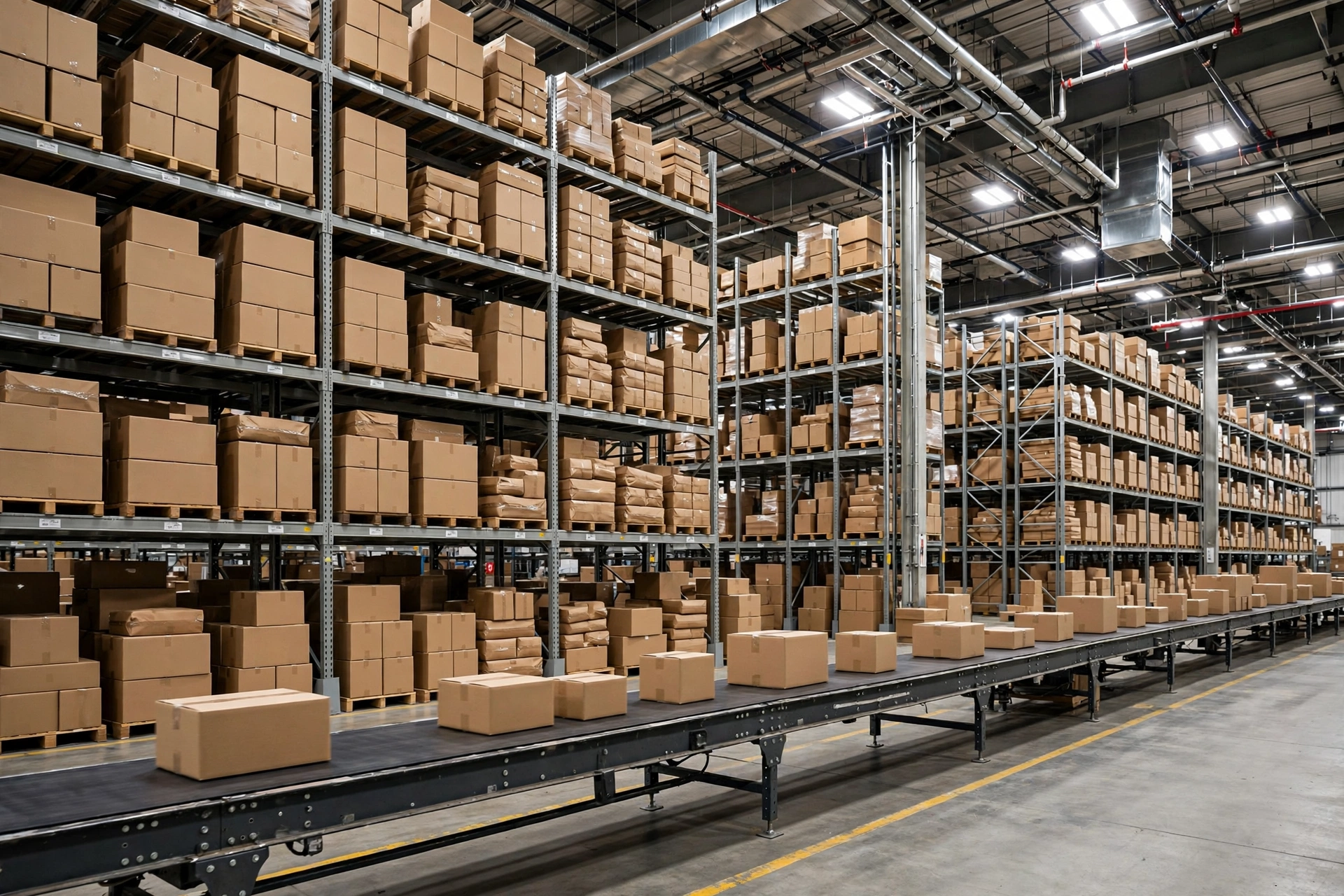
- Your retailer may switch carriers. — The TD Cowen/AFS report notes that the flood of surcharges is pushing businesses to diversify their carrier pool — and helping alternative carriers gain market share from the big legacy carriers. If your tracking suddenly shows a carrier you have never used before, this is likely why. It is not necessarily a scam; retailers are shopping for cheaper delivery the same way you shop for cheaper products.
- Free shipping gets harder to earn. — When every parcel costs more to move, free-shipping minimums creep up and delivery windows stretch. An order that qualified for free express shipping last year may only qualify for free ground shipping this year.
- Slower can become the default. — To protect margins, some sellers default to the cheapest service that still meets their delivery promise. Your parcel may spend an extra day or two in transit — not because it is lost, but because the seller picked the slower lane.
—
How to Protect Your Orders This Peak Season
You cannot control carrier surcharges, but you can avoid most of the headaches they cause:
- Order early. Peak surcharges peak in late November and December. Ordering in October or early November dodges the most expensive shipping weeks and the worst congestion.
- Check the shipping option before you pay. Compare standard and express at checkout. During peak weeks, the price gap is often larger than the speed gap.
- Watch for carrier switches. After checkout, confirm which carrier has your parcel and use the tracking number you were given.
- Give tracking 24–48 hours after a handoff. When a parcel moves from one carrier to another, scans can pause while the new carrier registers it. A gap of a day or two during peak season is usually a handoff, not a lost parcel.
- Use the delivery photo. If a parcel is marked delivered and you cannot find it, check the proof-of-delivery photo first.
- Keep proof of everything. Save your order confirmation, tracking number, and any delivery notifications until the parcel is in your hands. If you need to contact the retailer, the tracking number is the first thing they will ask for.
—
The Bigger Picture
The pattern behind 2026’s record shipping costs did not appear overnight. Carriers have reworked their surcharge tables repeatedly since 2021, and each round has tended to keep surcharges high even when the underlying cost — fuel, for example — later falls.
For shoppers, the practical takeaway is simple. Expect shipping to cost more, expect retailers to keep hunting for cheaper delivery options, and expect tracking to look a little less predictable as parcels change hands between carriers. None of that means your parcel is in trouble. It means the delivery network is adapting to the most expensive shipping year on record — and the shoppers who order early and track closely will feel it least.
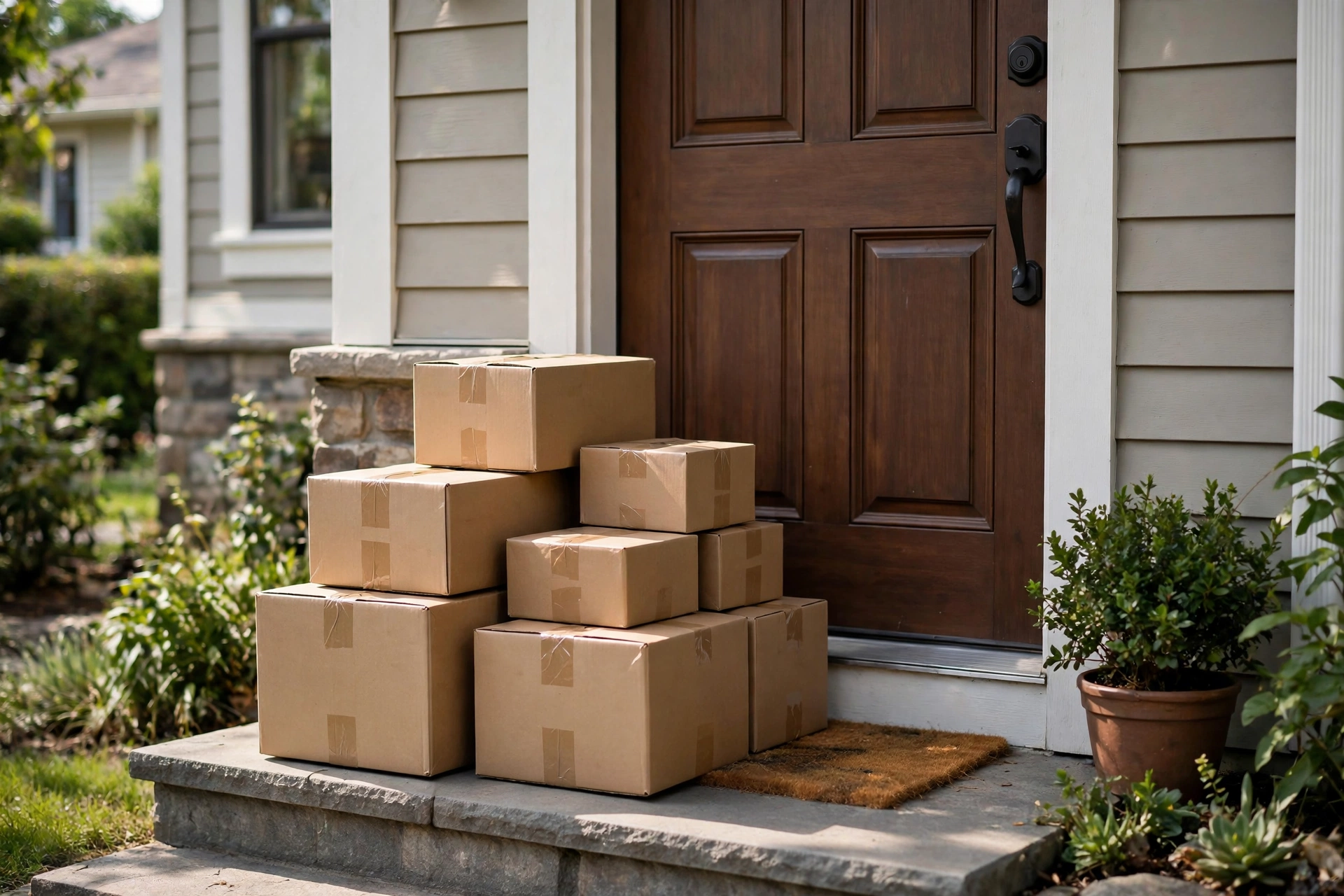
Waiting On A Parcel?
Track it now — paste your tracking number and see every scan in one place.
thegofotracking.com is an independent tracking guide and is not affiliated with UPS, FedEx, USPS, TD Cowen, or AFS Logistics.


